
Mountain Watershed Association manages the 75-mile Youghiogheny River Water Trail.
Water Trails are recreational waterways on lakes, rivers, and streams. They have easy access points and places to picnic or camp overnight. Water Trails are perfect for kayaking, canoeing, paddling, and floating.
The Pennsylvania Environmental Council, Pennsylvania Fish & Boat Commission, and Department of Conservation & Natural Resources developed the Youghiogheny River Water Trail. MWA patrols the river, develops overnight paddling opportunities, and expands public access.
Youghiogheny River maps and guides are below!
SOUTH MAPS
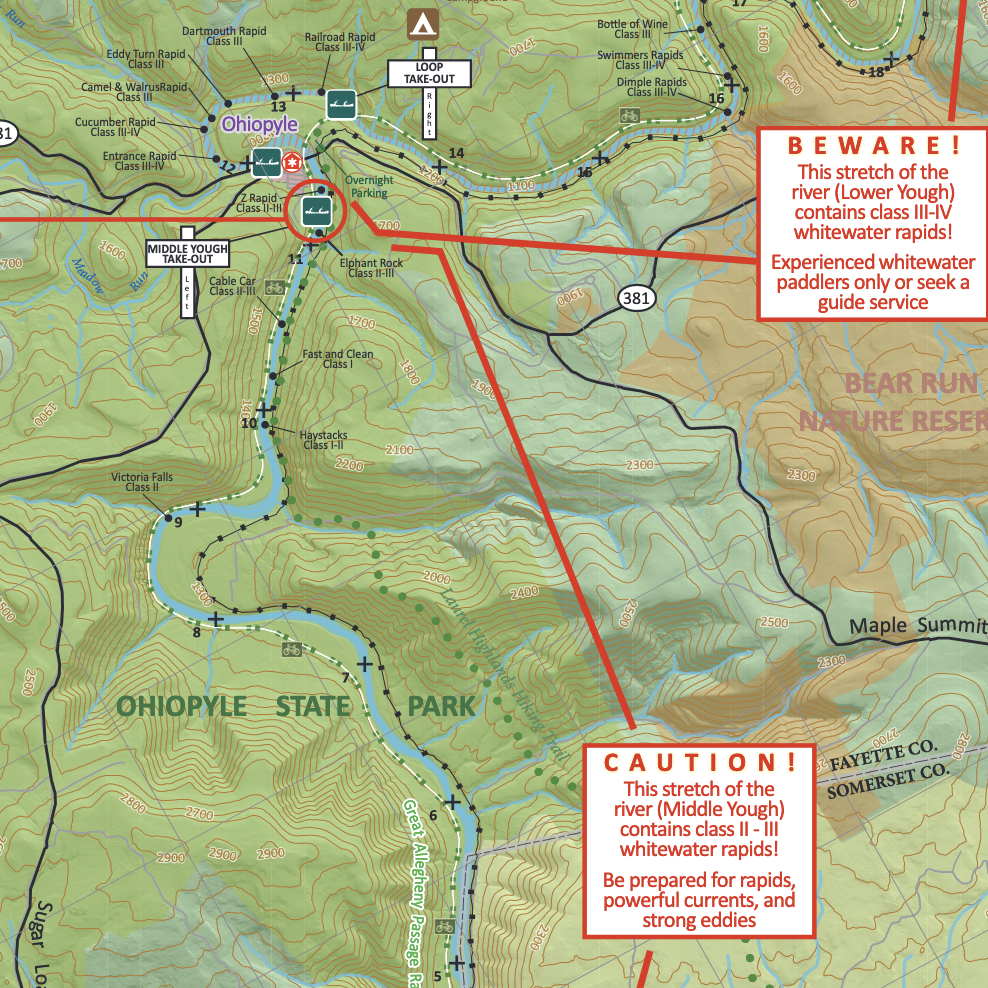
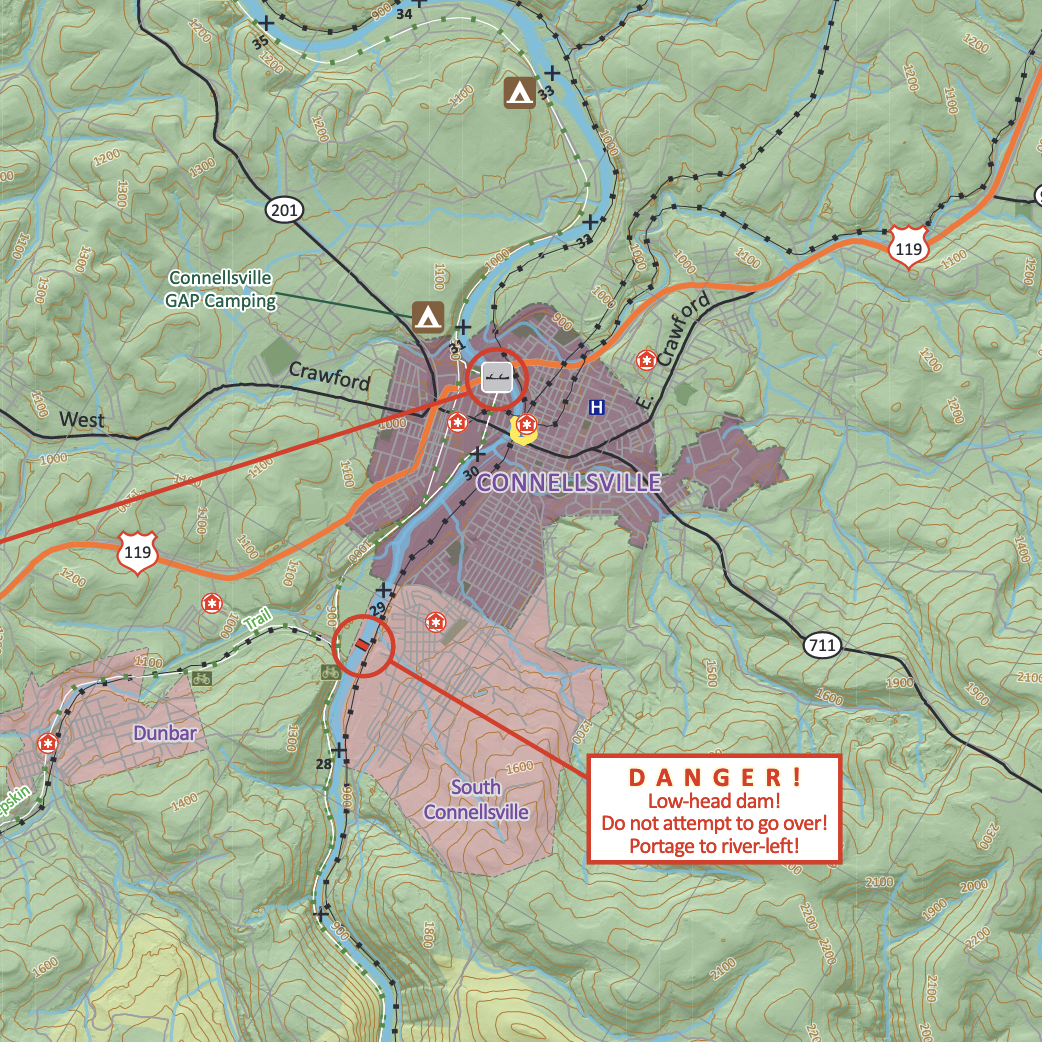
Section A shows river miles 0-20, from the Yough Dam in Confluence to just past the whitewater section of the Lower Yough at Brunner Run. Section B shows river miles 11-36, from Ohiopyle through the City of Connellsville and into Dawson.
NORTH MAPS
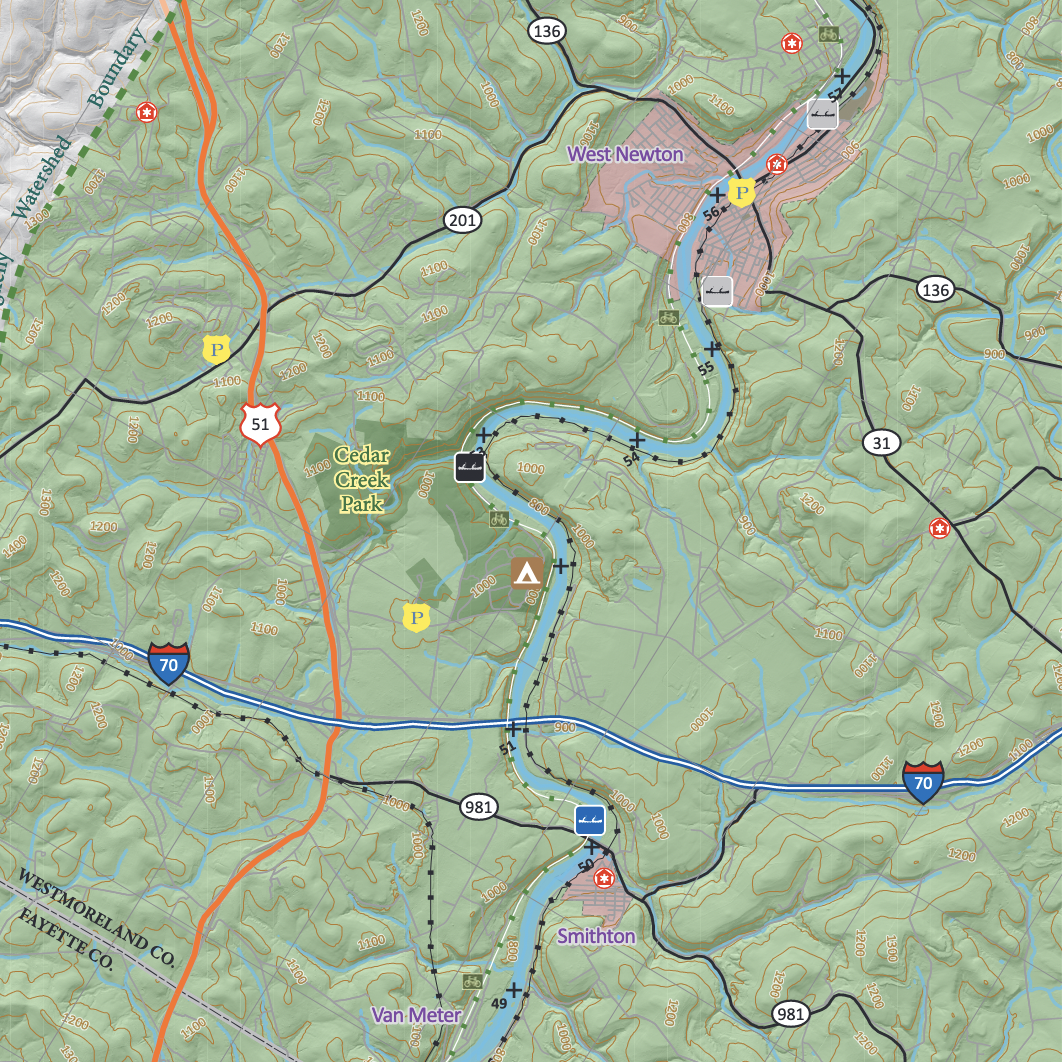
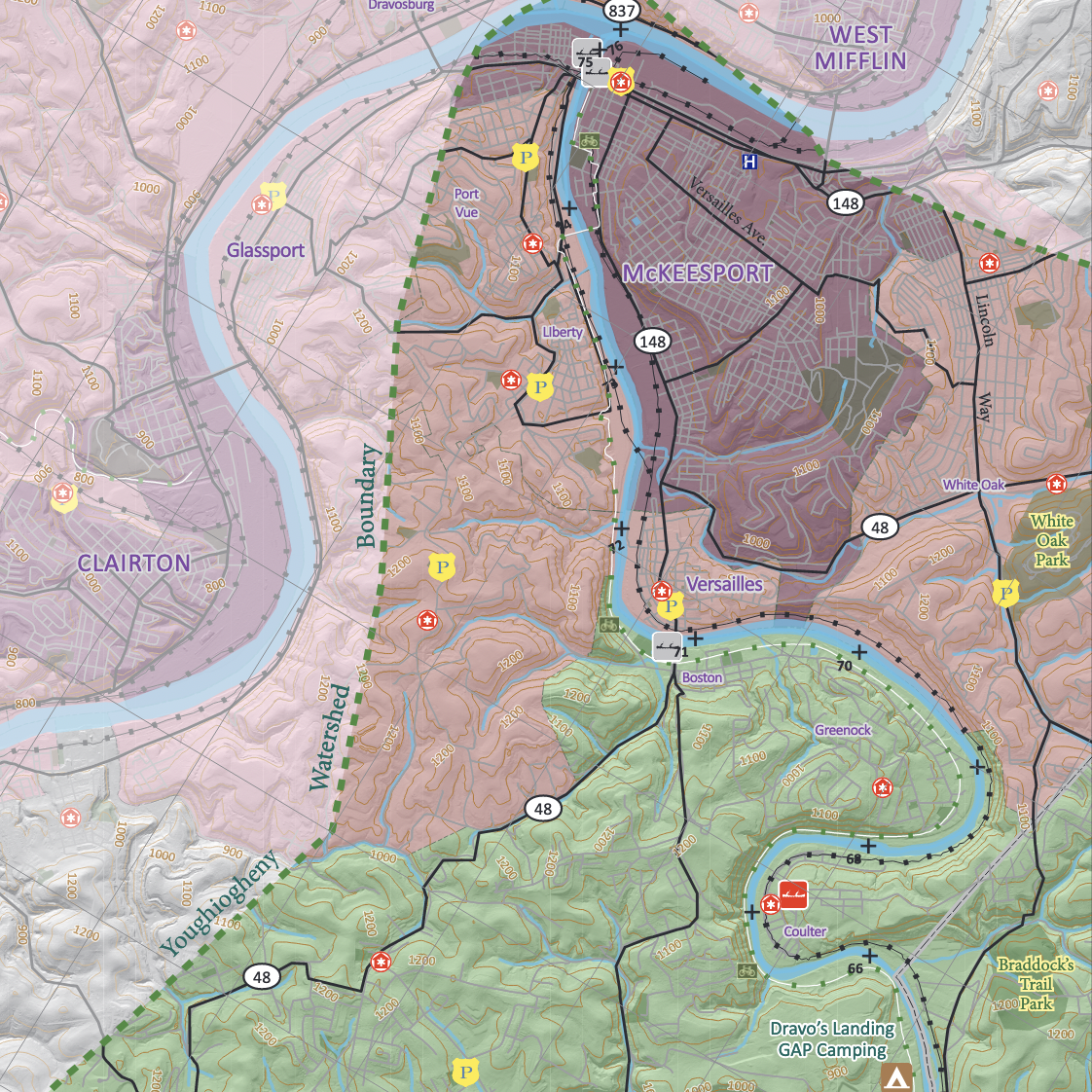
Section C shows river miles 33-37, from Dawson to West Newton. Section D shows river miles 50-76, from Cedar Creek Park to McKeesport.
ABOUT THE YOUGHIOGHENY RIVER
The Youghiogheny River (Yough for short) rises in northern West Virginia. It flows 132 miles north, through Maryland, and into Pennsylvania. The Yough joins the Monongahela River upstream of Pittsburgh, Pennsylvania.
The watershed is part of the Allegheny Plateau in the Appalachian Mountain chain. This biodiverse region has steep hills, high-quality streams, and plenty of forested land. (Fun fact: the region is home to Pennsylvania's deepest gorge and its highest mountain!)
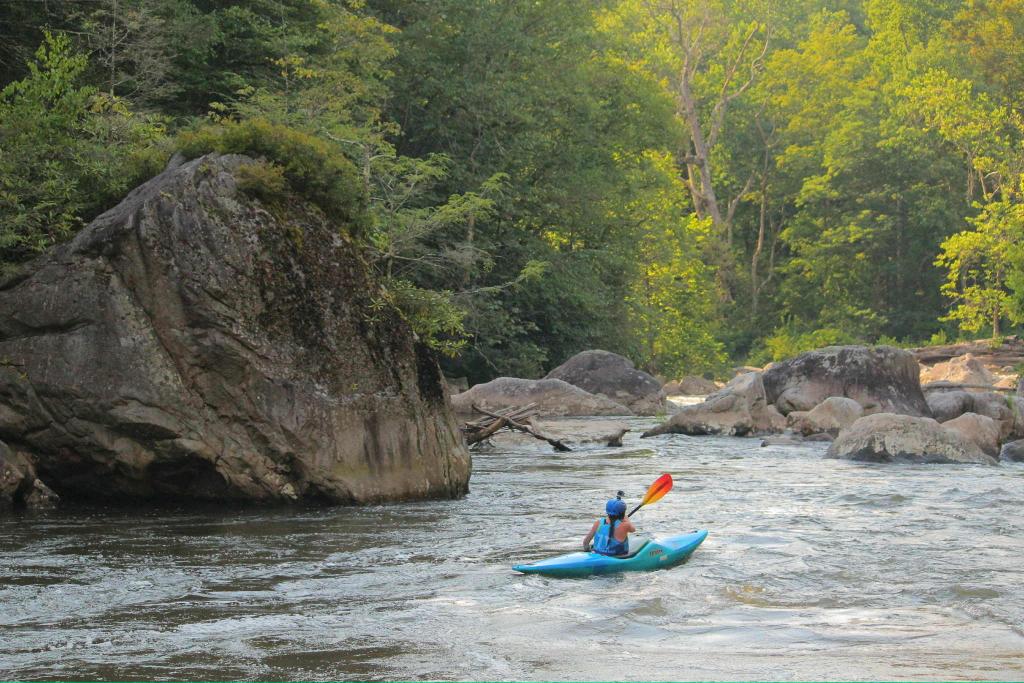
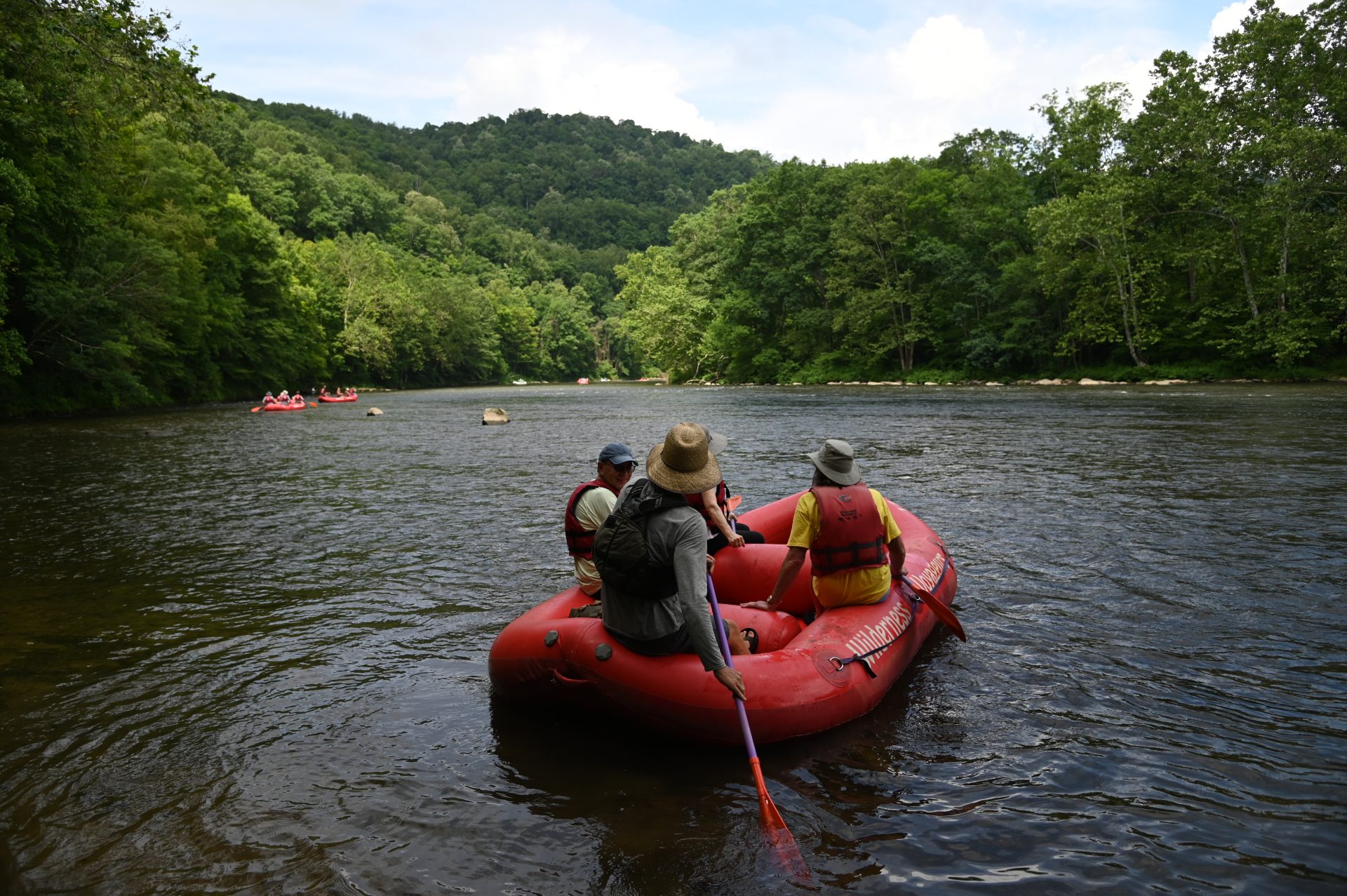
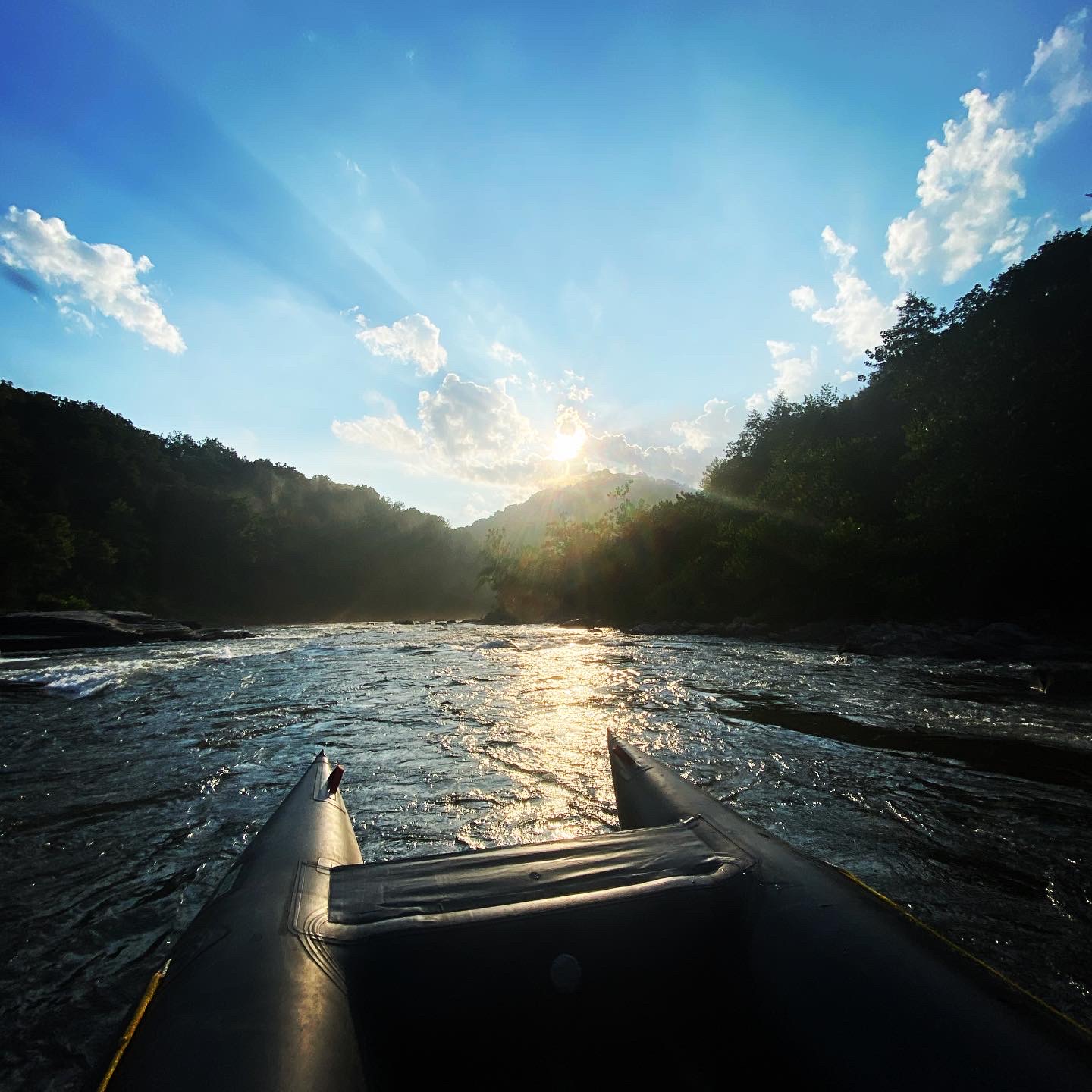
Paddlers, anglers, and outdoors-people from around the world visit the Yough every year. As the river cuts through the mountains in the south, kayakers play in whitewater rapids that give way to small riffles. Further downstream, folks can float where the river is wide and calm.
The Yough provides habitat for sensitive and endangered species. The Eastern Hellbender, North America's biggest salamander, lives under rocks in Ohiopyle. Bald eagles nest near the water to catch fish. Close to the headwaters, giant hemlocks line the banks. Parts of the watershed also support wild brook trout, Pennsylvania's only native trout.
We hope that increasing access to the river helps to promote stewardship of this beautiful and important natural resource.