Funding for Grassroots Groups
Appalachia is at risk. Resource extraction, shale gas drilling, coal mining, and petrochemical infrastructure threaten our air, water, and way of life.
Are you part of a grassroots group in the Appalachian region? You can make a change in your community. Apply to the Direct Support Fund!
What does the Direct Support Fund do?
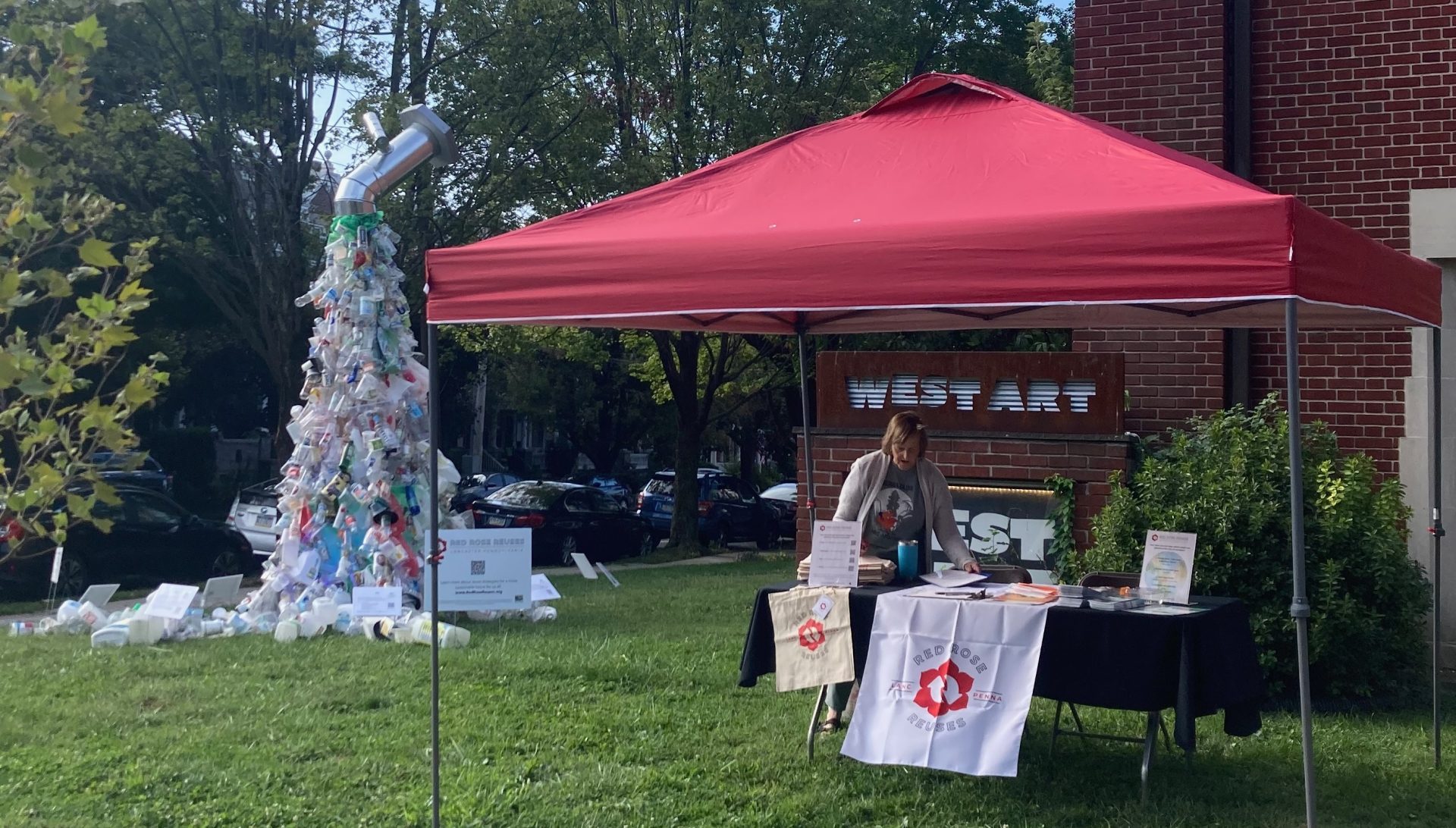
The Direct Support Fund gives community groups resources to organize around environmental justice issues throughout Appalachia (and sometimes beyond).
- Applicants do not need to be registered non-profit organizations!
- Our committee strongly considers proposals under $5,000 from grassroots, resident-led groups or resident-activists with few available resources.
- Grants can be used for community organizing, education, and citizen science (i.e. water and air monitoring) projects, and more.
- We discourage applications for individual efforts. (For example, we would probably not approve a project to test water supplies at a single residence. We would encourage a proposal for water testing that creates a community-wide baseline at multiple households.)
Ready to apply?
Just fill out this short application!
Our committee reviews applications monthly. A final completion form (linked below) is required within 30 days of project completion.
- Application Instructions (Printable PDF)
- Sample Application (Printable PDF)
- Extended Budget (Printable PDF) (Editable Google Doc)
- Completion Form (Printable PDF) (Editable Google Doc)
- W-9 Form (Printable PDF)
All approved applicants must submit a W-9 form before funding is dispersed. These funds are considered income for recipients. At the end of the year a 1099 form will be provided.
Need help with your application?
Just give us a call! Reach out at 724-455-4200, ext. #10
Or email DSF@mtwatershed.com
The Direct Support Fund is made possible by The Cloud Mountain Foundation, The Plastic Solutions Fund, The Heinz Endowments and The 11th Hour Project and is a project of the Mountain Watershed Association.
Organizations serving on the coordinating committee include:
Indigenous Environmental Network, Earthworks, People Over Petro Coalition, Marcellus Outreach Butler, Mountain Watershed Association, and the Center for International Environmental Law
Previous members have represented:
Clean Air Council, Clean Water Action, Berks Gas Truth, Protect Our Children, Shalefield Stories, OnePA, Center for Coalfield Justice, Black Appalachian Coalition, and the Ohio Chapter of the Sierra Club
News & Updates

Since 2014, the Direct Support Fund (DSF) has provided small grants to grassroots groups working toward environmental justice in Appalachia and the Ohio River Valley. Mountain Watershed Association leads the…

The Direct Support Fund is a grants program hosted by MWA that focuses on providing resources to grassroots groups and advocates working toward social change on shale gas, coal, petrochemical…

We’ll miss you, James! Our beloved community organizer, James Cato, is moving on to pursue his MFA in creative writing at the Iowa Writers’ Workshop, one of the most prestigious…